Preserving cultural heritage, and building more resilient food systems
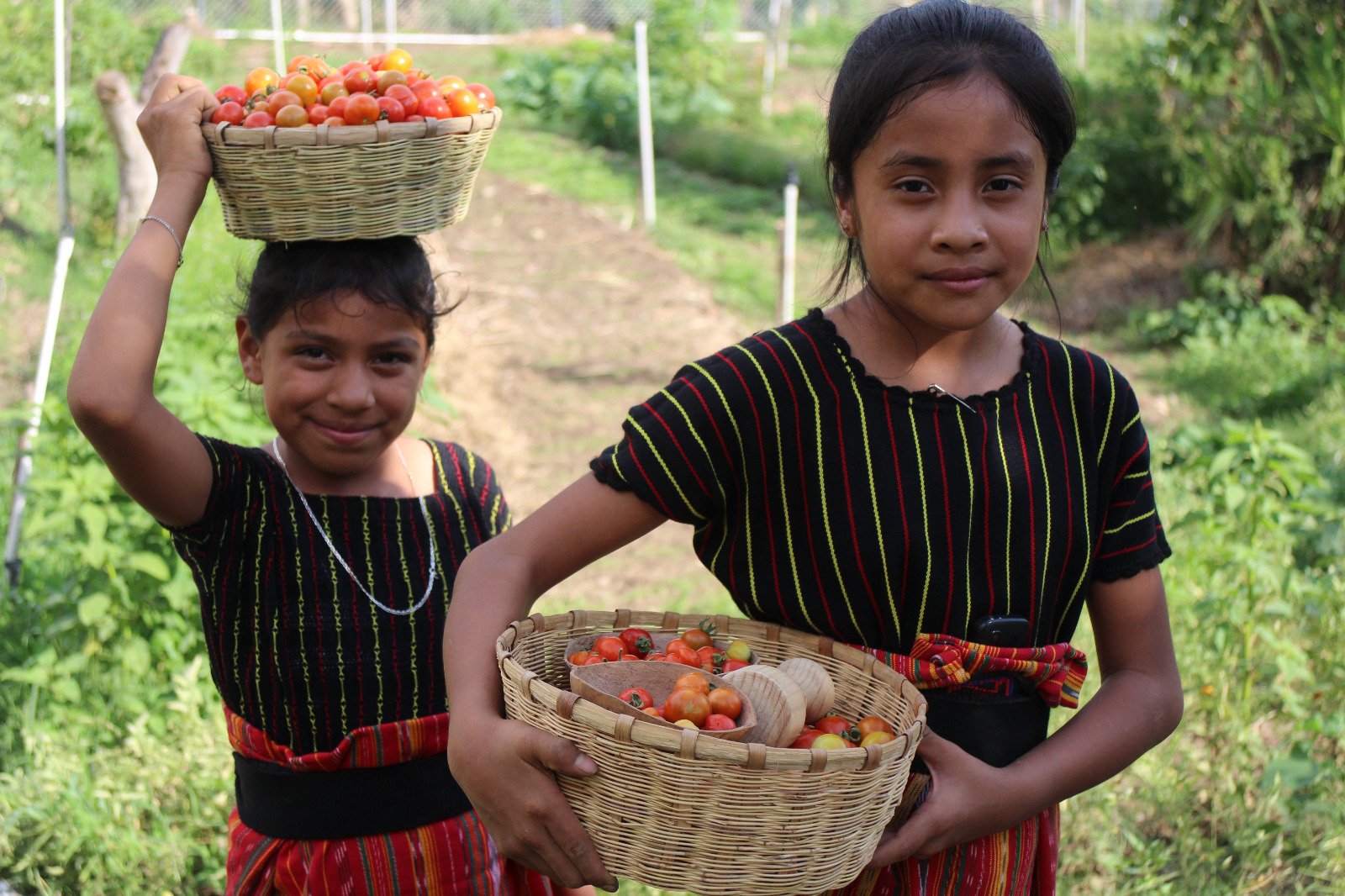
In the heart of Guatemala, we are celebrating a powerful milestone in our journey of preserving seeds and culture! Over the past years, we have worked alongside local communities to rematriate native seeds, especially the remarkable return of the Tomate Maravilla—a cherished heirloom tomato thought to be lost, now thriving once again thanks to our collaboration with The Garden’s Edge and other organizations on the ground. This project is more than a story of agriculture; it is a movement to restore balance with the Earth, preserve cultural heritage, and build more resilient food systems.
Seed Rematriation Project Blossoms in Rabinal
Tomatoes originated in Guatemala but native varieties have virtually disappeared due to diseases caused by massive pesticide use and monocultures. Many varieties were also lost during the 36-year genocide when many gardens and villages were burned by the military. The thick-skinned almost tasteless tomatoes found today in Guatemala are hybrids that were introduced and can withstand heavy pesticide spraying and transport.In a cultural exchange in 2014, Guatemalan visitors shared the story of these lost tomatoes. A New Mexico farmer suggested exploring the USDA Seed bank to see if they had any Guatemalan tomatoes in their collection. We discovered three varieties collected in the 1970’s, Pishito and Manzano, and the other had no name.We requested seeds and planted 25 seeds of each in our New Mexico garden and had a successful harvest”.
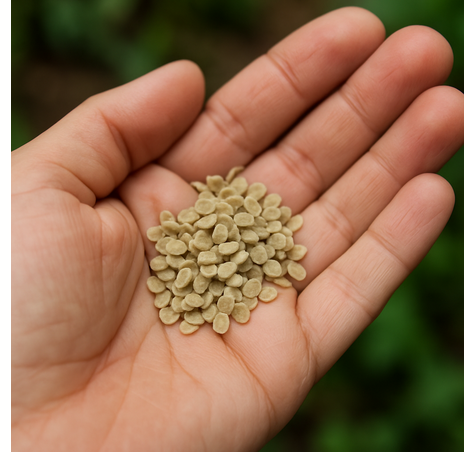
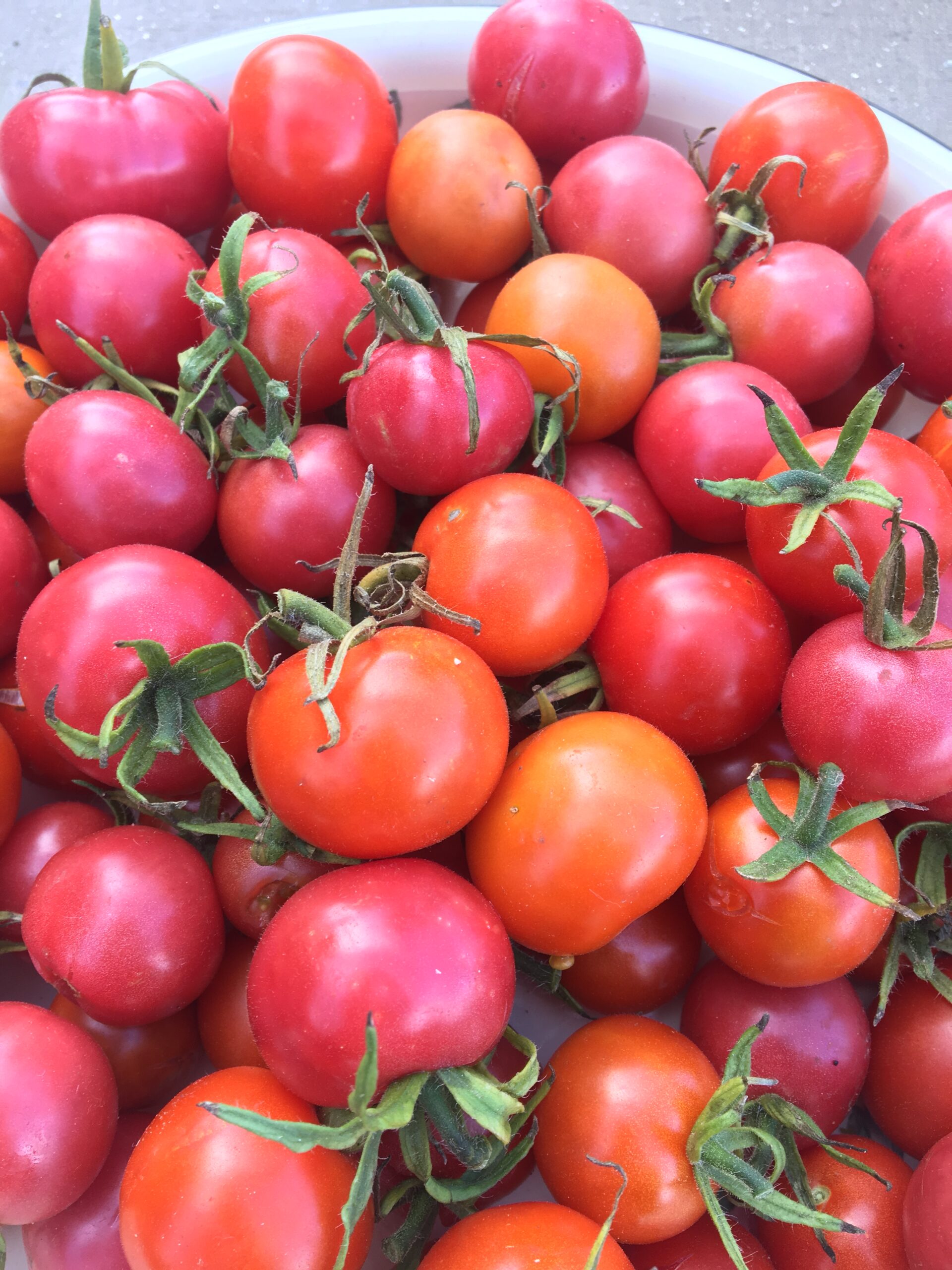
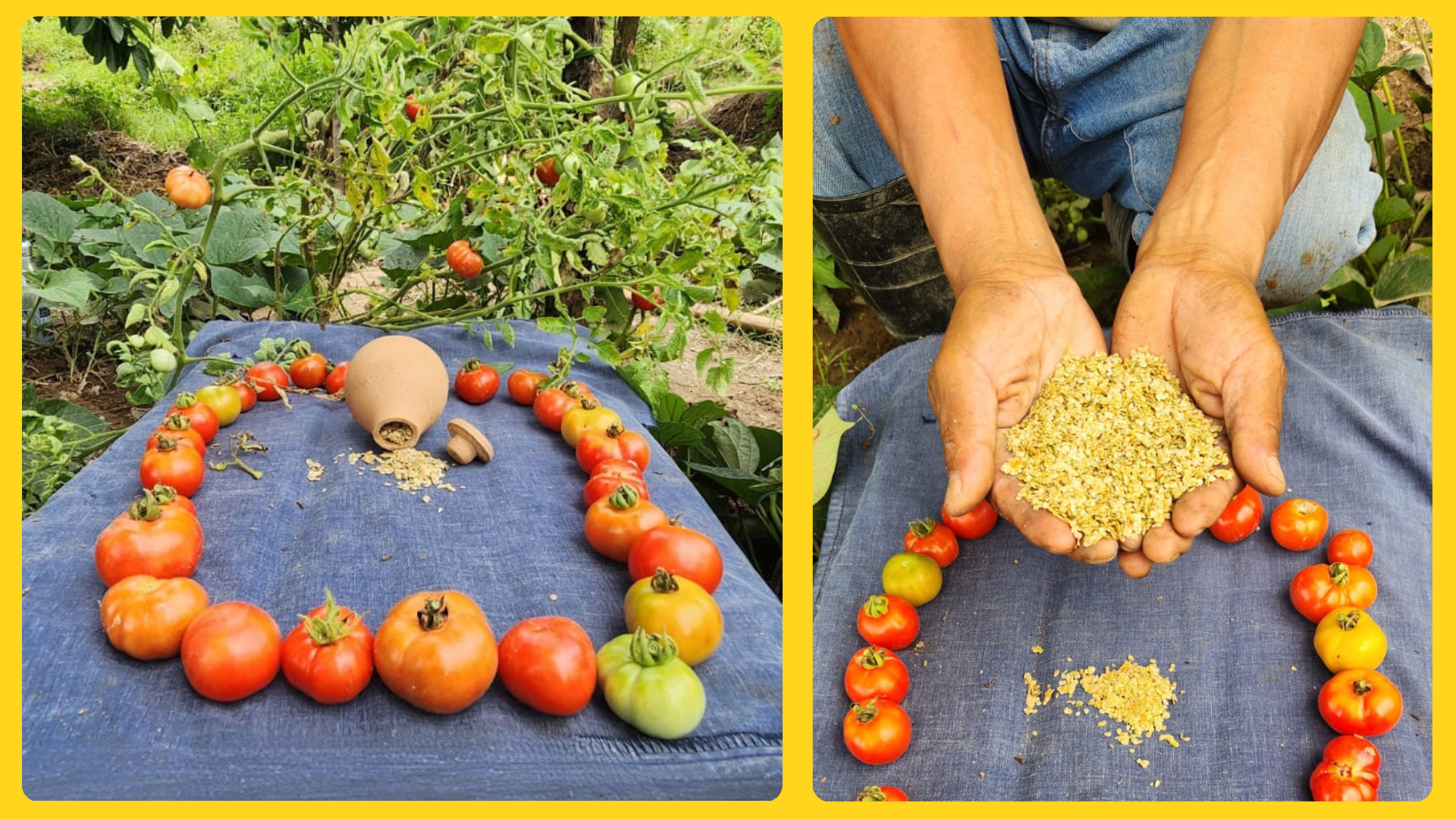
Pishito tomato or Ixim pish (Achi languague)
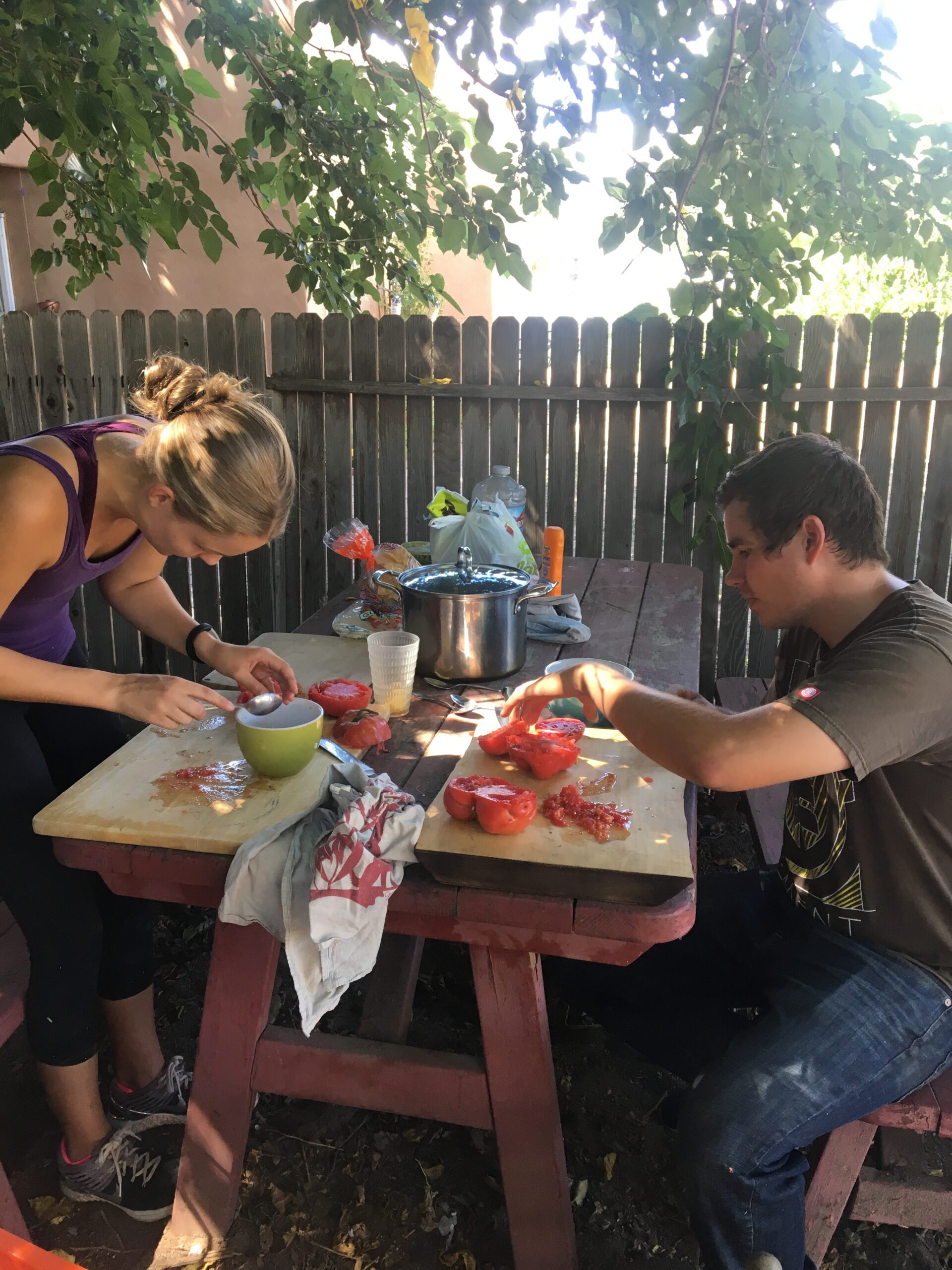
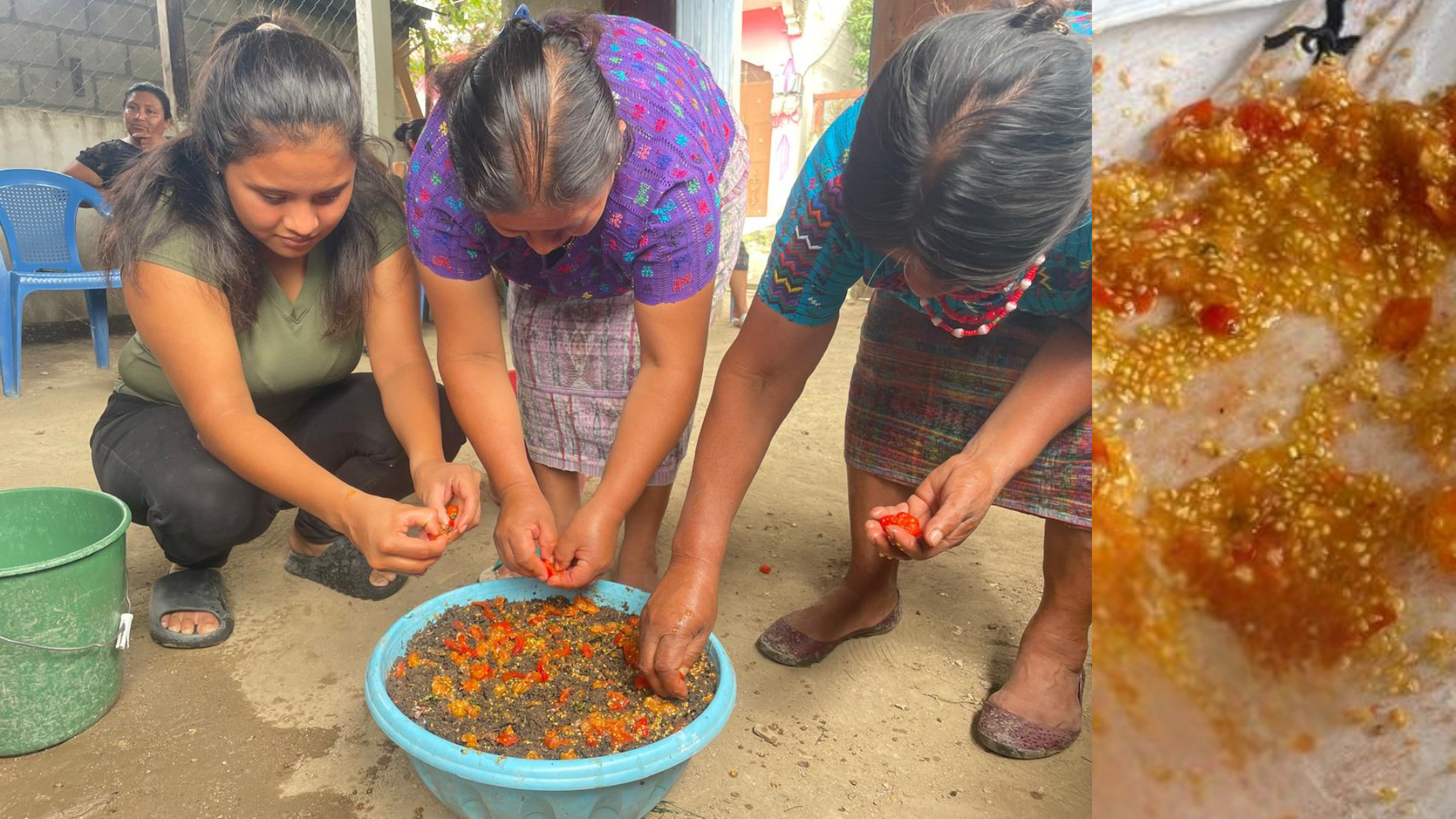
Here we are cleaning the first harvest of seeds in Albuquerque with a group of students from the University of New Mexico.
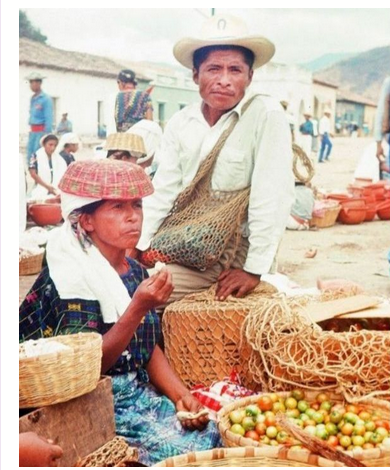
Tomatoes, Rabinal plaza market, Baja Verapaz, Guatemala, 1973. Photo: Lewis
At this point, we still didn’t know the name of the curly skinned tomato.
Then we found this historical picture on Facebook from the Rabinal market in 1973.
Through a beautiful crowd sourcing in the comments, the tomatoes were identified by many commenters as an old variety called “Maravilla”, that disappeared in Rabinal during the genocide.
We realized these are the seeds we found and were working with!
Seeds Return to Guatemala in 2022
In 2022, we returned the 3 varieties of seeds to Guatemala and Frascisco Sic, a local young farmer in the village of Chichupac, Guatemala planted them.
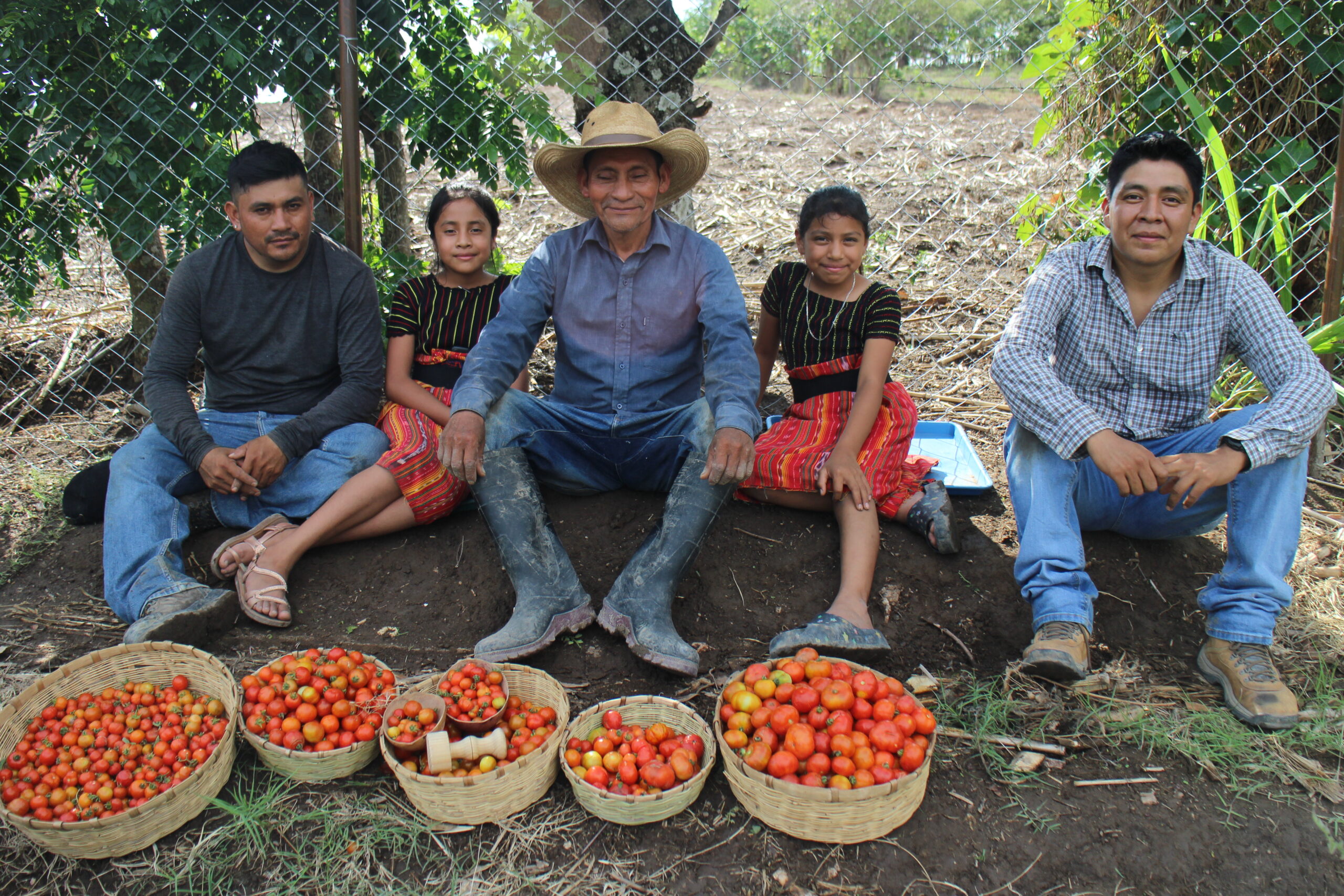
He had a successful harvest! From Francisco’s harvest other local farmers were able to receive more of these special heirloom seeds.
From there they started to slowly spread back to their local region! We started hearing more stories and local farmers wanted more seeds.
By 2024, we gifted seeds to Qachuu Aloom Association, and they successfully harvested and shared seeds with their farmers too.
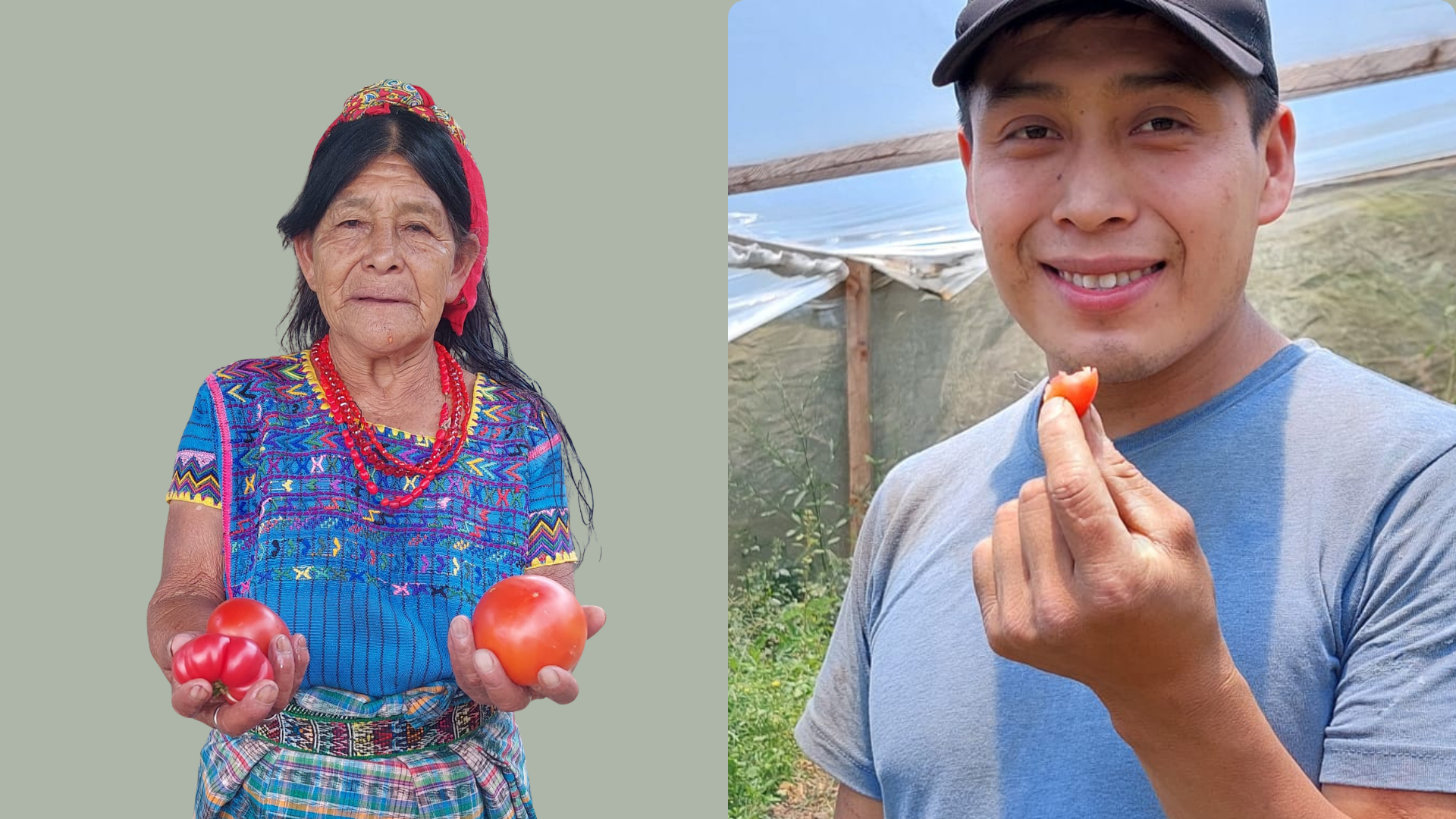
We asked an elder if she remembered these varieties from her youth and she confirmed YES! She also remembered the name of tomato maravilla in her right hand and tomato manzano in her left hand.
Creative Solution Project for the Association Campesina 13 de Marzo
The Association 13th of March is organized by survivors and young descendants who were forcibly displaced from Rio Negro to the village of Pacux during the 36-year civil war.
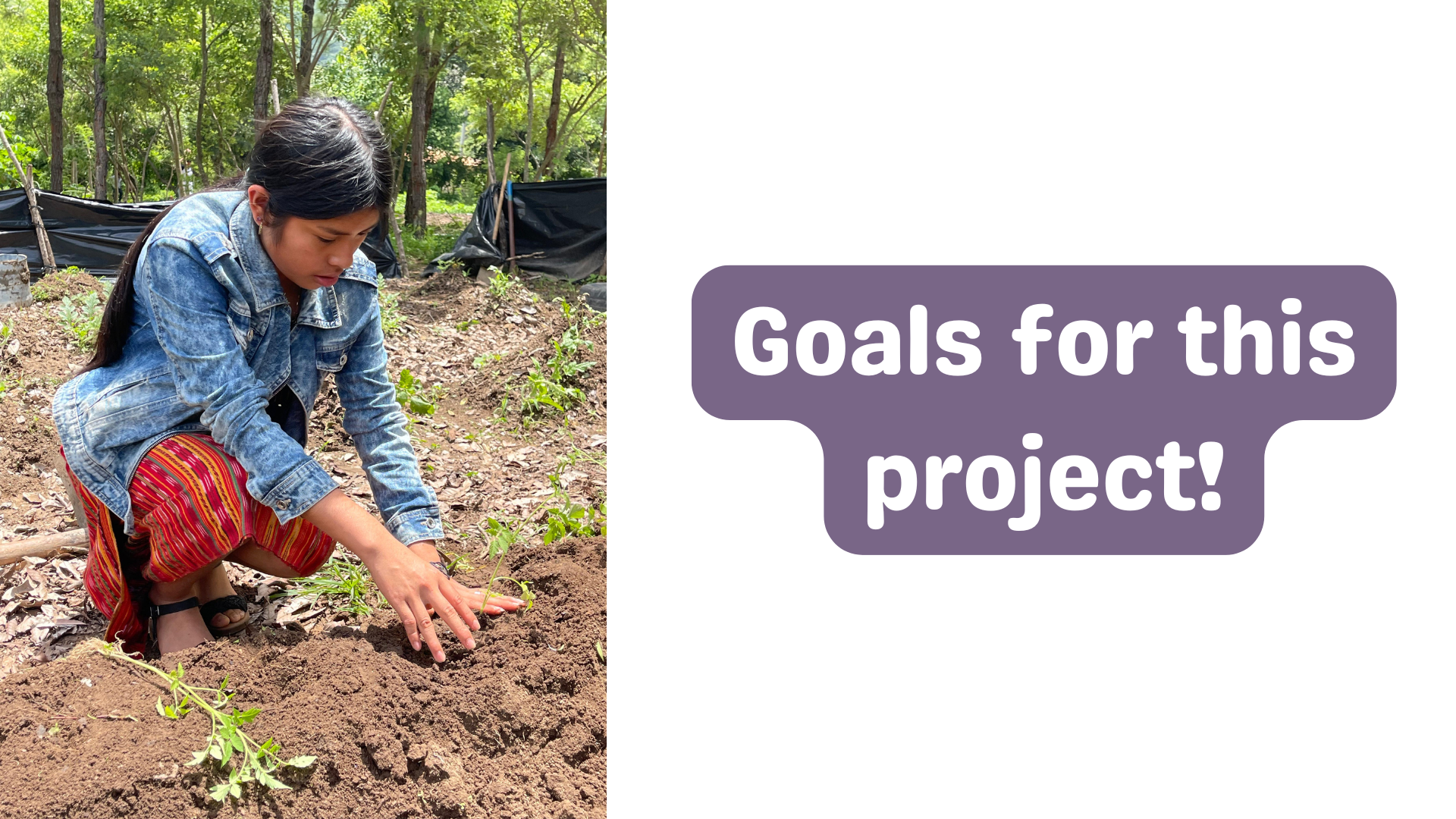
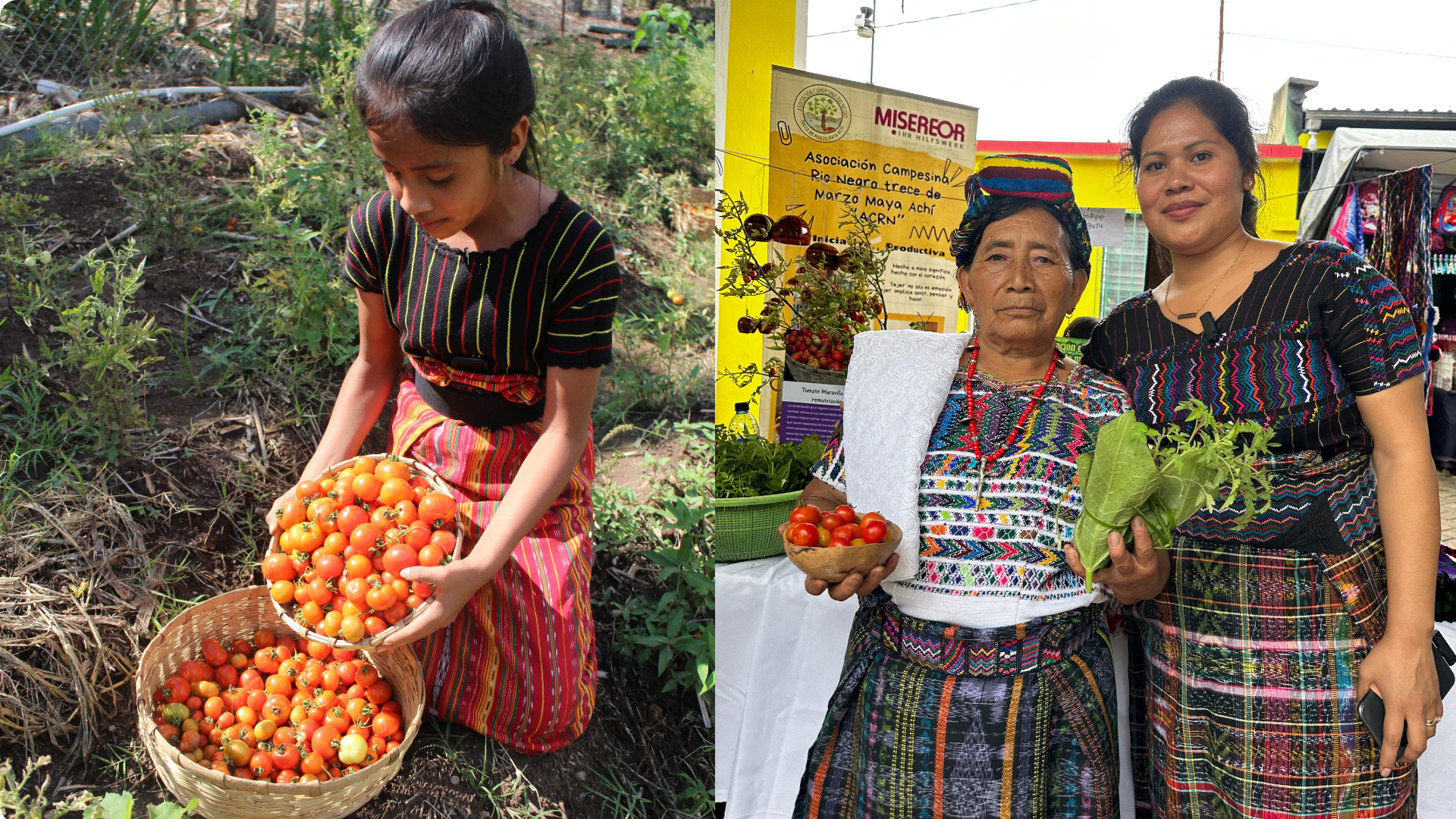
In Partnership with the Garden’s Edge in 2025, they cultivated maravilla tomatoes seeds, carefully observing the entire growth process until the tomatoes were ripe and ready for harvest. They made a seedling nursery to share plant starts with more farmers in Rabinal.
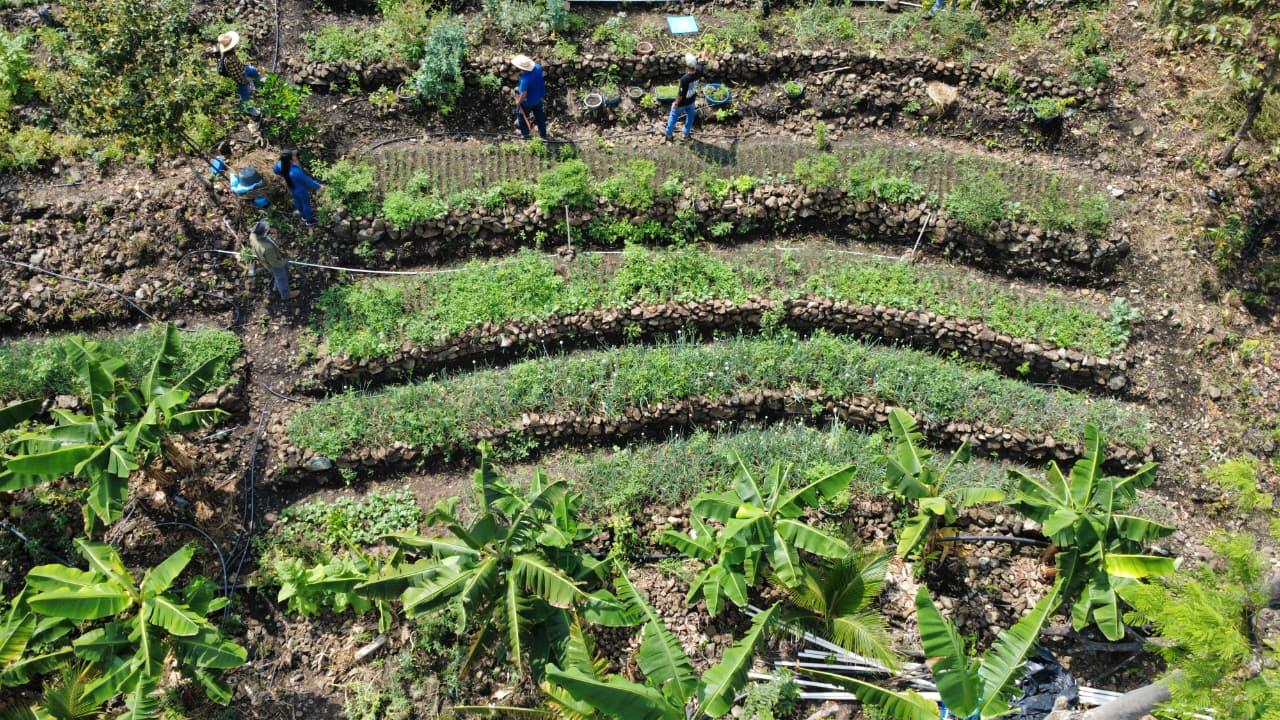
This is one of the diversified gardens that 13 de Marzo has implemented with one of the multiple families they work with in Rio Negro.
Sharing these special tomatoes
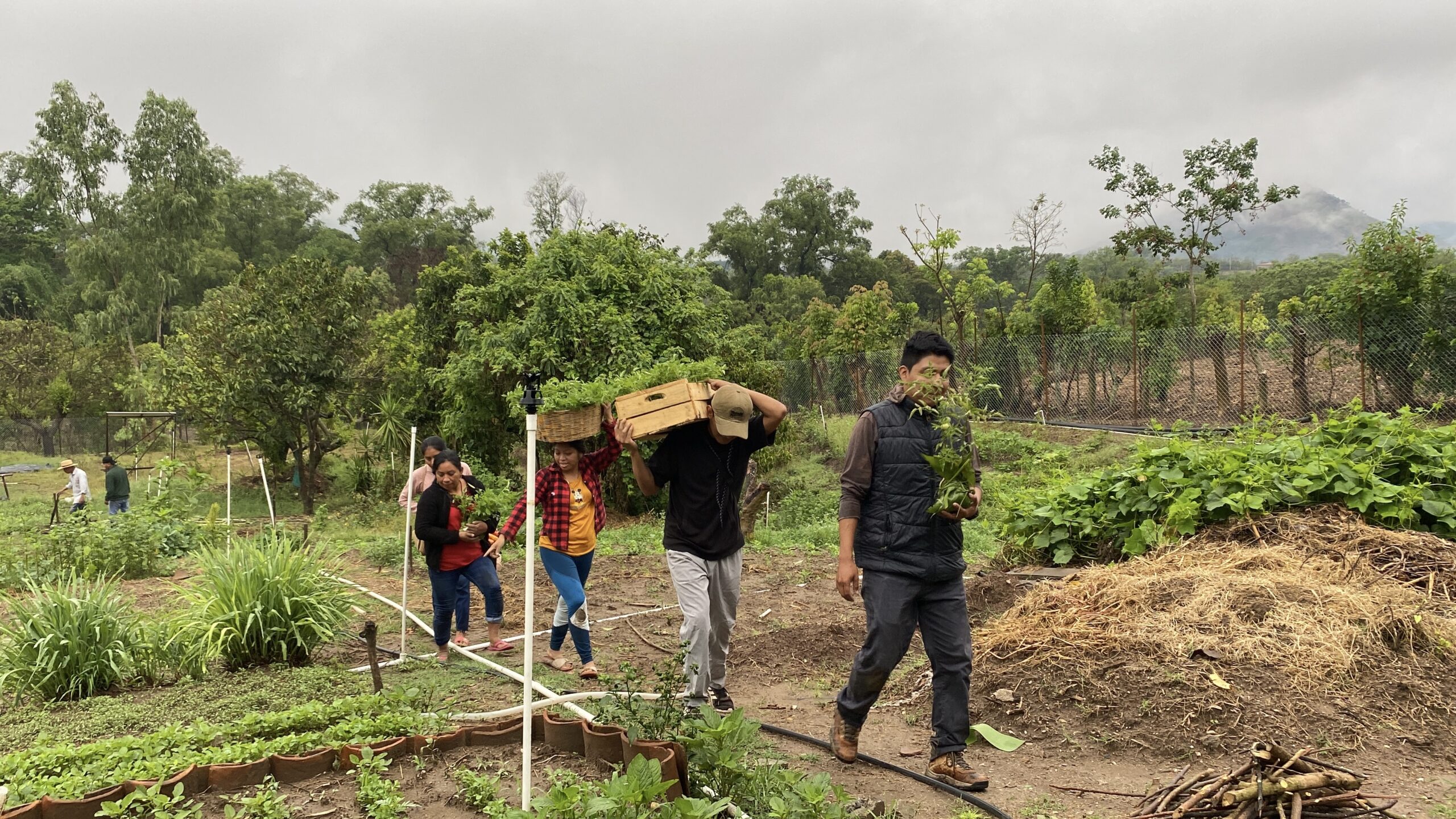
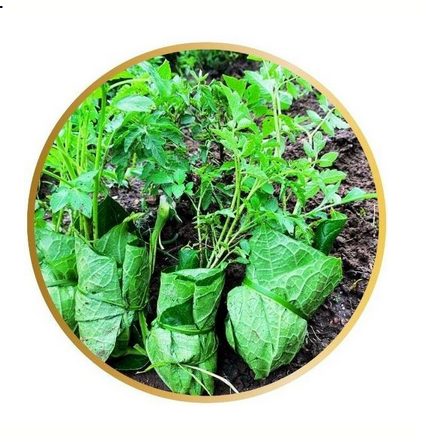
On Thursday the 6th of June, 2025, we gave 500 tomato seedlings to families from San Miguel, Rabinal, and Cubulco. As each family received their tomatoes, there was a shared understanding of the importance of nurturing these seeds—not just for sustenance, but as a symbol of resilience and cultural continuity. Our hope for the project is for more families to plant these tomatoes that more adapted to the climate of the area, and do not need chemical fertilizers.
These plants were grown in the Asociación Campesina 13 de Marzo’s school garden, located in the village of Pacux, the community where survivors from Rio Negro massacre were relocated
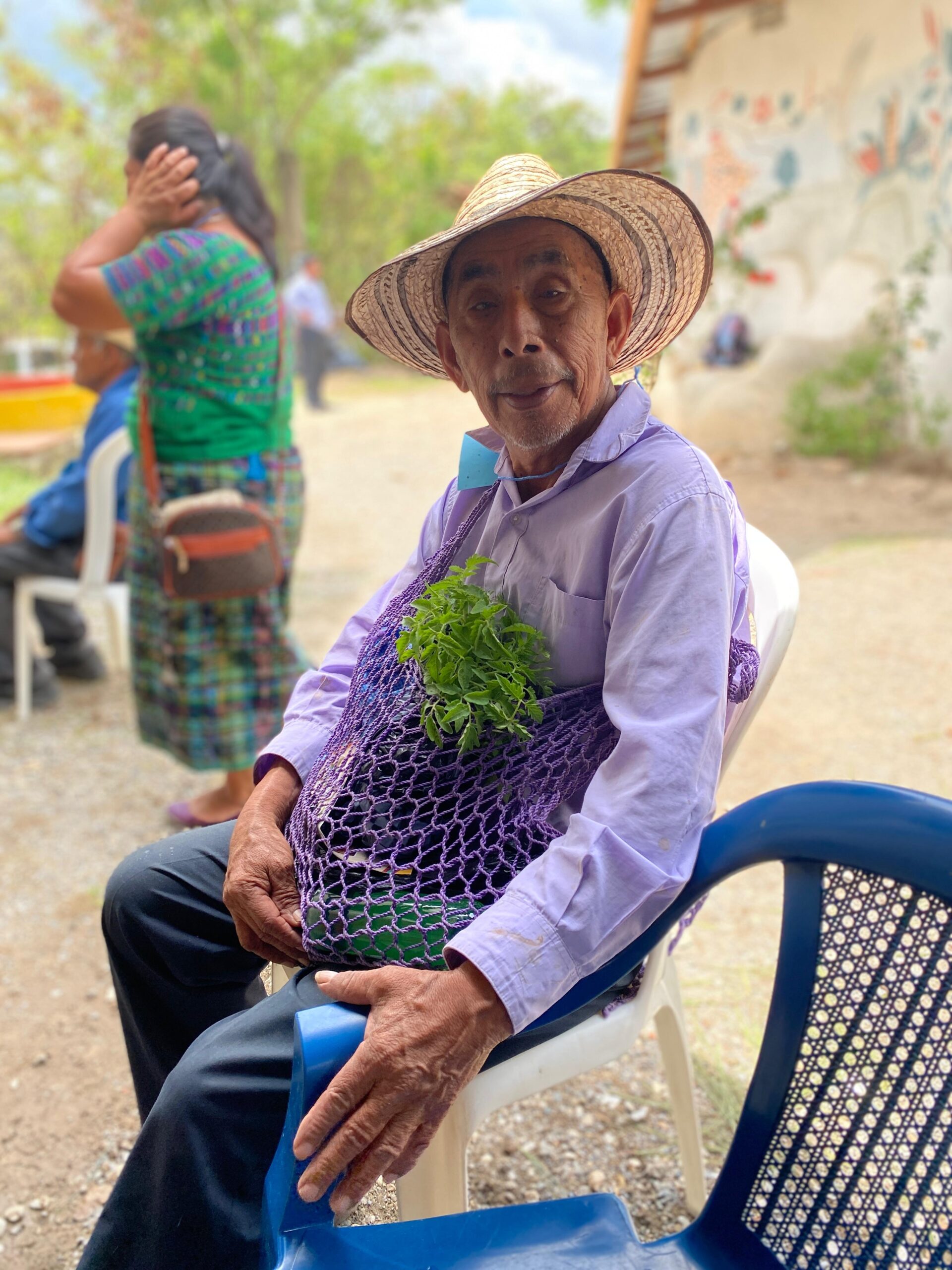
79 year old, Juan Gabriel Geronimo Remembers the tomato Maravilla from his childhood.
“In 1968, I used to buy them here in the Rabinal market. These tomatoes were so yummy. They are very unlike the tomatoes we eat today!”
Gabriel always wondered what happened to this tomato.
”The other ones are not as tasty, but this tomato (Maravilla) is so good.”
Gabriel was amazed to see them here again. He wondered where and how we found these seeds. He also remembered the tomato Ixim Pish.
“Thank you so much for bringing them back! Our mother earth gives us everything! Thank you for rescuing them.”
Importance of Native Seeds
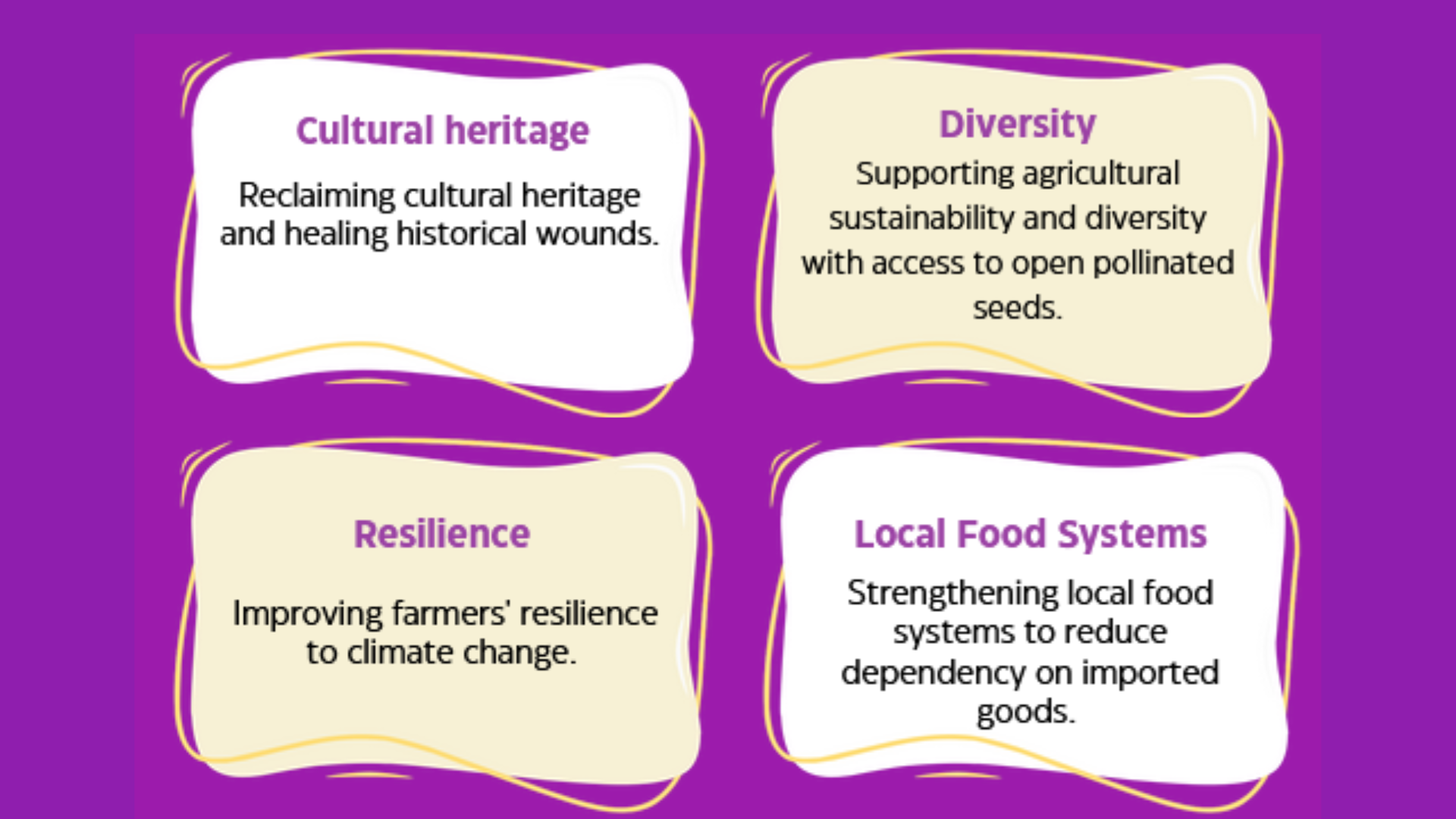
This initiative was not just about agriculture but about reclaiming cultural heritage and healing historical wounds. The members of the Asociación Campesina 13 de Marzo embraced the project with enthusiasm and hope, recognizing the deep connection between the seeds and their ancestors. Moving forward, we would love to give support to farmers as they will continue planting this tomatoes in other communities.
Native seeds, which are adapted to local conditions, offer a sustainable solution for restoring ecosystems and enhancing biodiversity.
Indigenous communities, for instance, have developed traditional agricultural techniques that not only sustain their livelihoods but also support biodiversity. These practices include seed saving, crop rotation, and the use of natural fertilizers, all of which contribute to the resilience of native seeds against the backdrop of climate change.
The Maravilla tomato, with its unique flavor, stands as a testament to the power of sustainable farming practices. As climate change continues to alter our environment, the importance of protecting and promoting indigenous seeds grows ever more critical. They possess inherent resilience and adaptability, traits essential for ensuring food ways in an uncertain future. By investing in these seeds and the knowledge that accompanies them, we can cultivate a more resilient and diverse agricultural system for future generations.
Hopes for the Future
1) Implementation of germplasm banks, also known as seed banks.
As a next step, we’ll plant 5 gardens with families from Rabinal and San Miguel to observe how the tomatoes grow in different climates. This will help us identify the best time and place to plant them.
2) Education
.Organize tomato tasting workshops and cooking classes (sauces and salads), along with hands-on sessions on seed extraction, germination, and growing Maravilla tomatoes. We’ll also create educational materials to share, since much of this knowledge was lost when the tomato disappeared.
3) Community Presentation
We will look for public spaces where we will share more of these tomatoes, their history, and the benefits of planting native seeds in our changing climates.