From seed saving to the Market:The Return of the Maravilla Tomato to Maya Achi Communities
by Josselin Chun Cojom
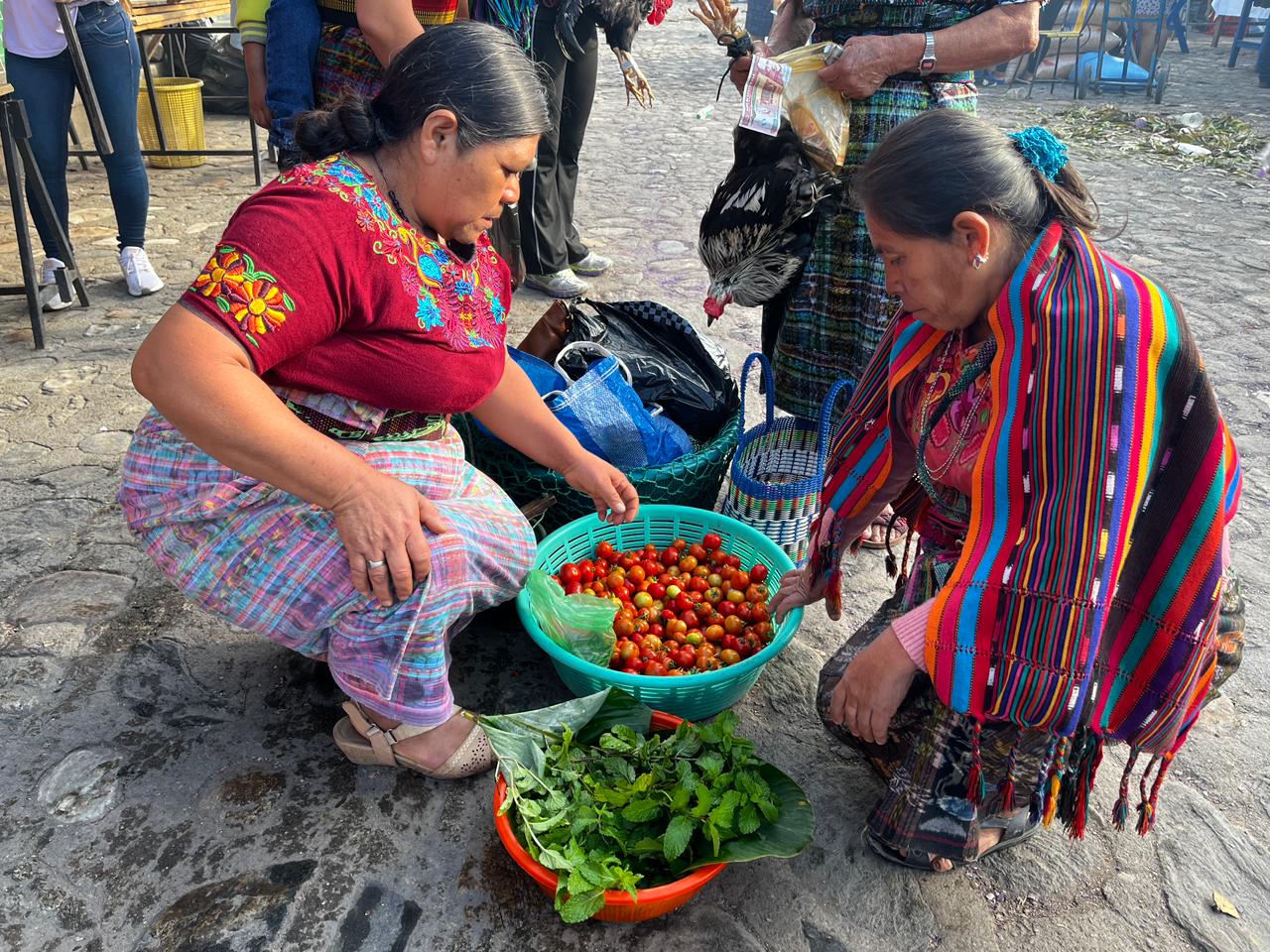
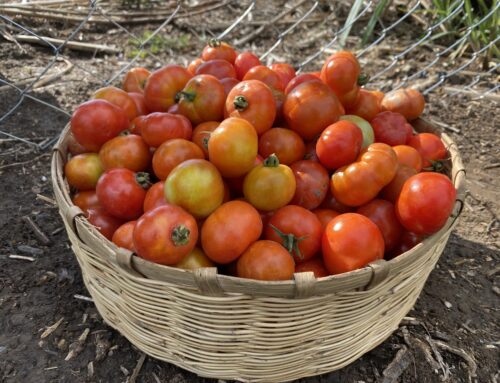
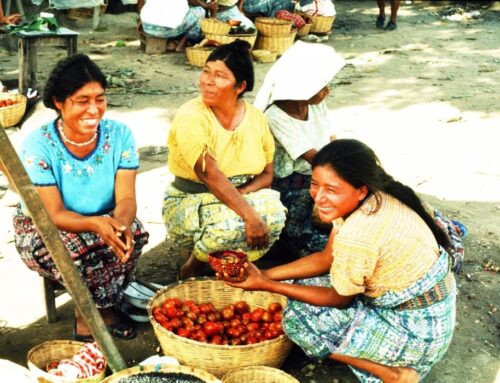
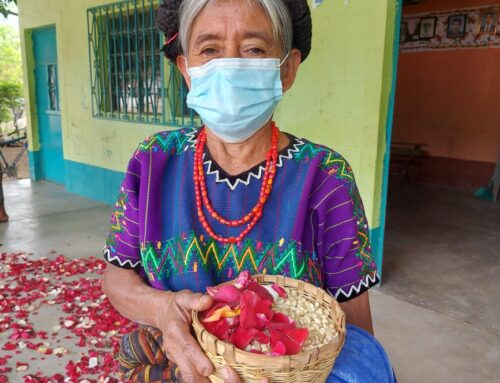
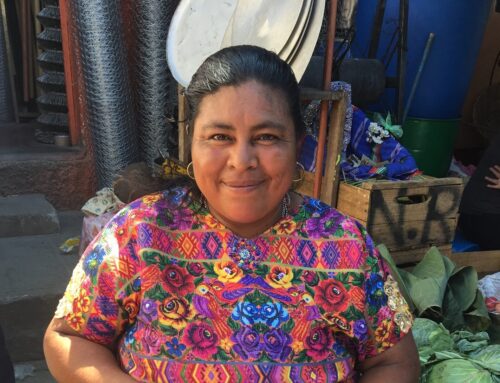
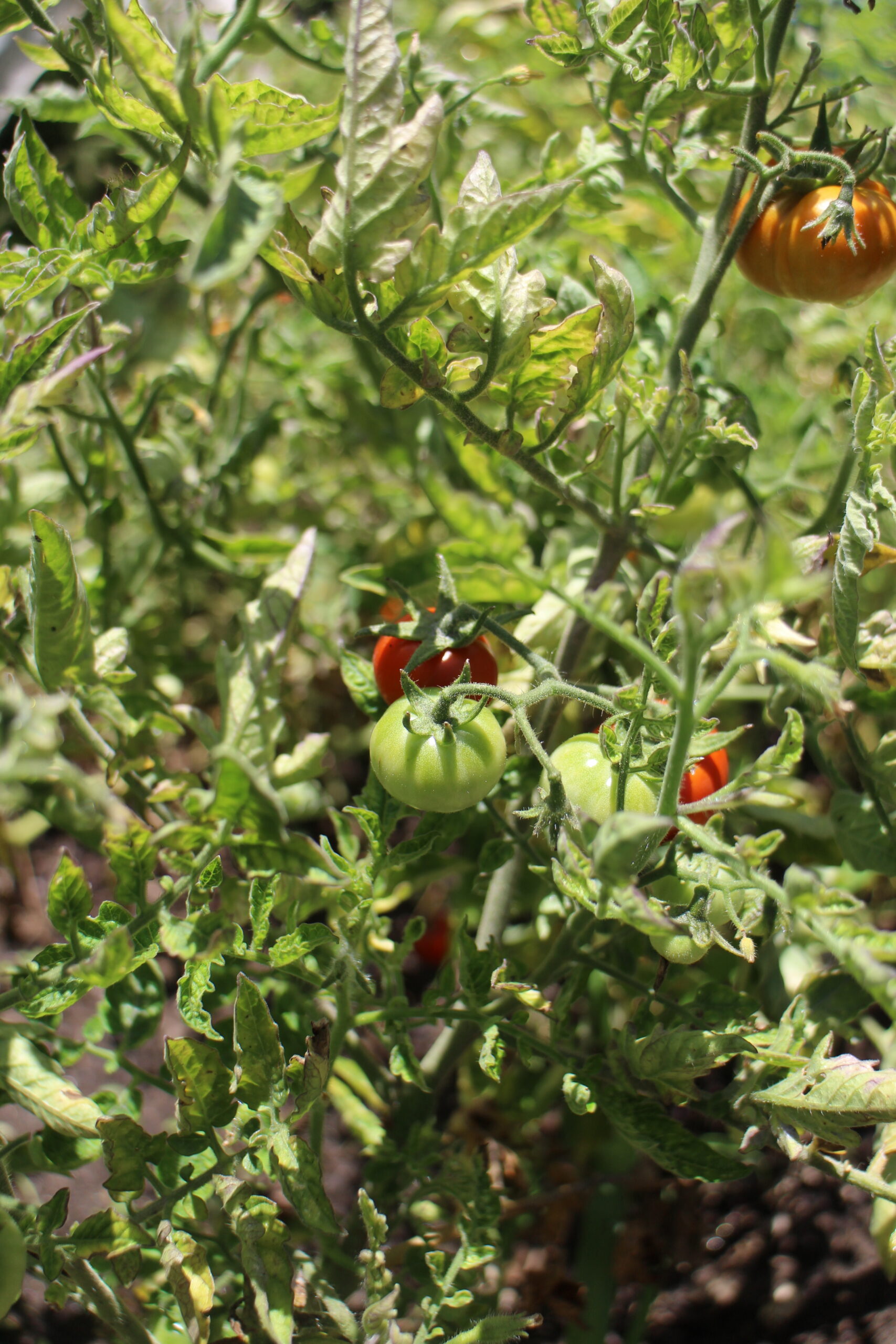
For the past few years, I have been part of a collective effort to return the Maravilla tomato to Rabinal, working closely with families, conducting research, and rebuilding the pathways needed for this ancestral seed to thrive once again. Today, those efforts are beginning to show meaningful results, not only in the fields but in everyday community life. Recently, during a routine morning visit to the Sunday market, under the bright sun, I came across a small crowd gathered around a vendor. As I got closer, I saw a woman selling Maravilla tomatoes. I was so surprised! Since our native varieties disappeared during the civil war, the only tomatoes typically available in the market were thick skinned hybrids. She had the Maravilla tomatoes arranged in a simple basket, some fully ripe in deep red tones and others still maturing, creating a striking mix of colors. Their unique shapes caught the attention of people passing by. With excitement, she shared her story how she had received just three tomatoes from someone, saved their seeds, and planted them, leading to the harvest she was now proudly selling.
People paused, curious and surprised, some asking the price, others remarking how much they resembled the tomatoes they once knew. Within a short time, the tomatoes were selling quickly, with people buying two and three pounds, holding them with care, and admiring their return.
He admired the plants in front of him.
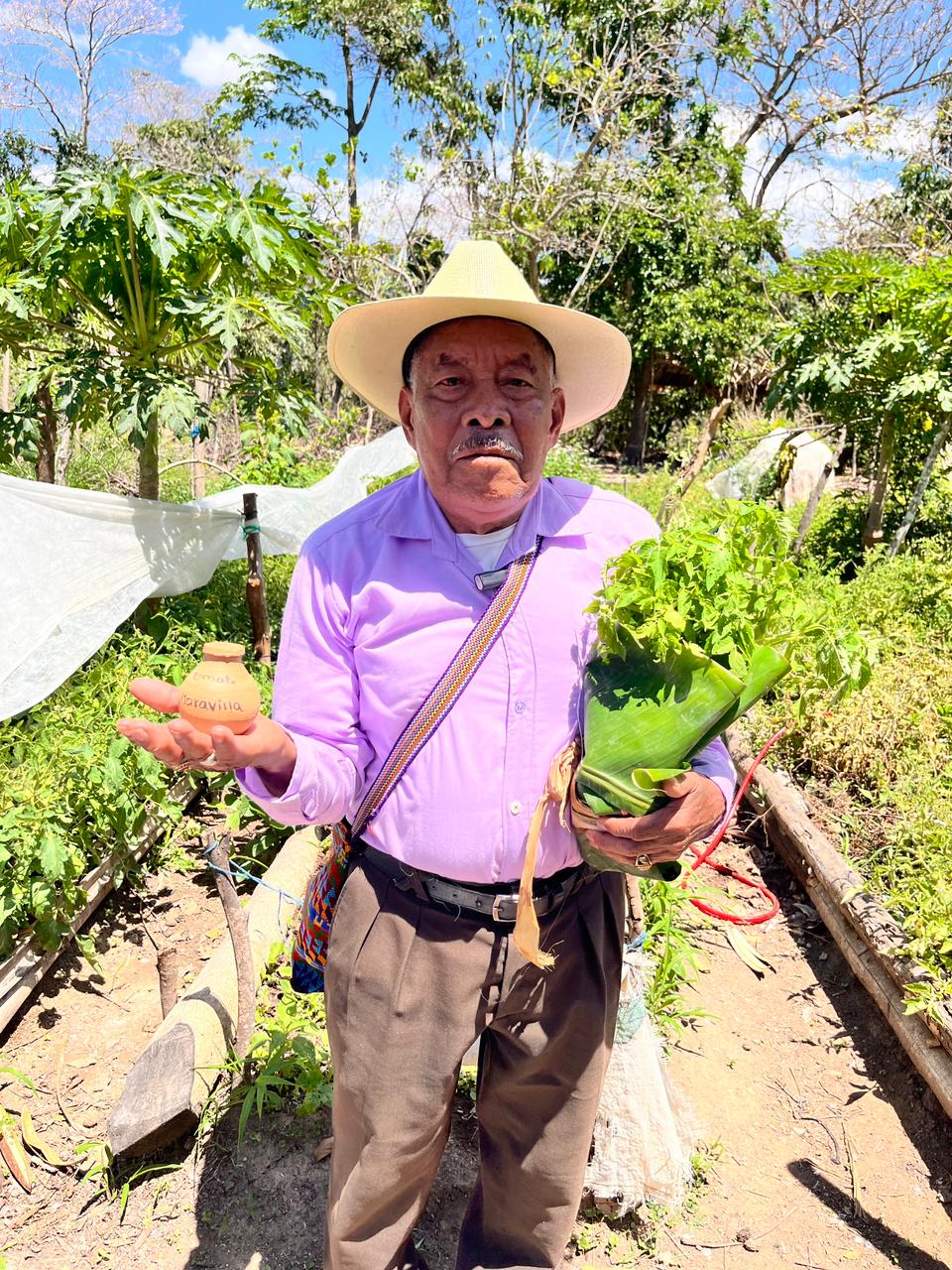
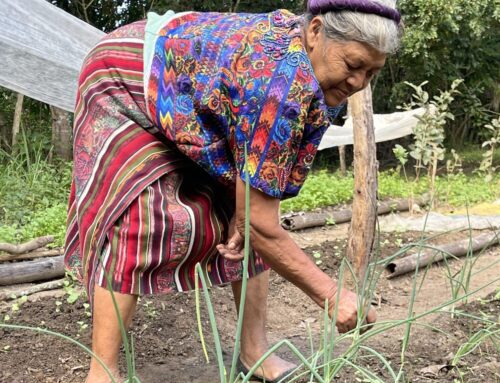
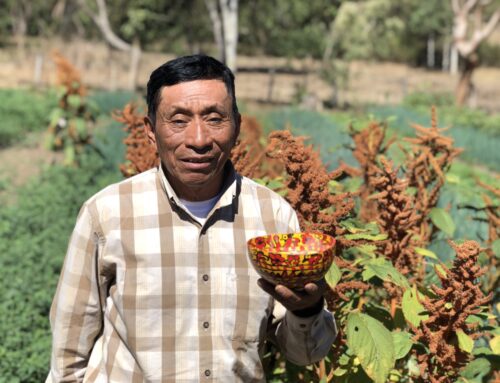
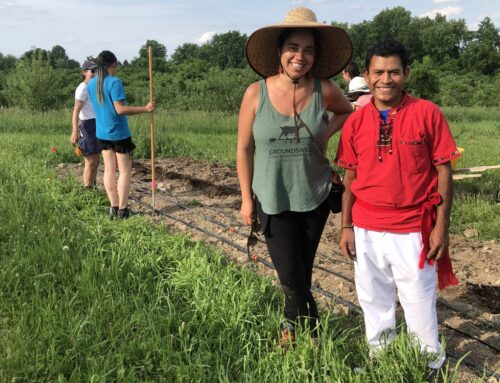
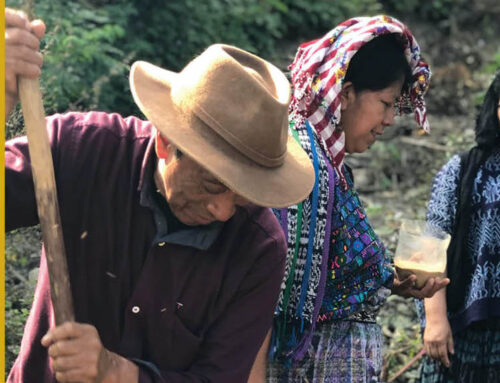
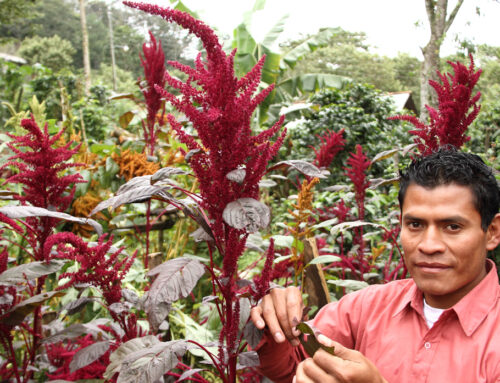
Don pablo receiving tomato plant starts and seeds in a jar to take back to his community Patixlan.
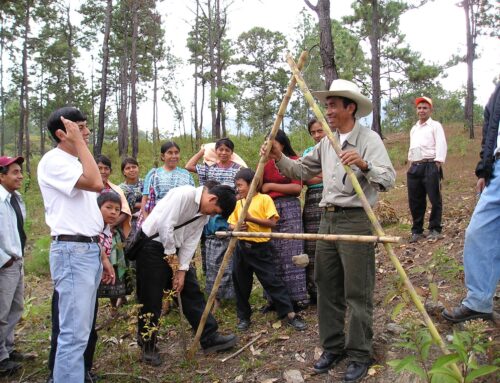
In April, 2026, I had the honor to sit with Don Pablo Sucuc, 83, and a few other elders in one of the gardens where we are growing maravilla tomatoes as part of the rematiration project with The Asociation Campesina 13 de Marzo. As I followed him, the first thing he did as he looked at the tomato plants wrapped in a big green banana leaf, was ask the woman who works in the garden “are you using organic fertilizers here?” And the woman replied, “yes!” He admired the plants in front of him. He then emphasized the unique qualities of the Maravilla tomato, noting that it cooks in just a few minutes, unlike many of the commercially available tomatoes grown today, which often require longer preparation and are associated with heavy pesticide use.
This distinction not only reflects differences in agricultural practices, but also reinforces the nutritional and cultural value of the ancestral seed. At the same time, more stories are emerging from community members about the significance of recovering ancestral seeds that were lost during the civil war. These stories highlight the deep cultural, historical, and nutritional importance of the Maravilla tomato, reinforcing a shared memory. The process of returning these seeds—through seed rematriation—has become not only an agricultural practice but also a pathway for healing, cultural revitalization, and community resilience.
Don Pablo, an elder full of unique memories and wisdom, fondly recalls how, in his youth, (1950s) they cultivated the land using only organic fertilizers. He explains that they prepared well-composted cow manure and chicken manure, and even made use of the fertilizer left by the zompopos (Leaf Cutter Ants)—all of which deeply nourished the soil. Thanks to this care, the gardens grew strong and abundant, full of healthy plants. He reminisced about the intense greens and vivid reds from the chili he grew for a living, a reflection of agriculture that respects nature. Don Pablo also says, “ we must know how to thank Mother Earth, as well as the wind, the sun, and the mountains, because from them comes the water that gives life to everything”. With sadness, he adds that today we have lost those values of connection and gratitude toward Mother Earth, and that because of our actions, sometimes the water no longer comes as it did before, because we have broken that balance so vital to life. He shared that during the civil war, a few seeds including three varieties of native tomatoes were lost, a specific native watermelon and a few varieties of beans too.
“Tomate Maravilla, manzana, and ixim pix are the three varieties of tomatoes that I remember. I lost my seeds when the drought came and our seeds disappeared. There’s nothing we could do about it. When I heard that our seed is being grown here, I felt immensely happy.”
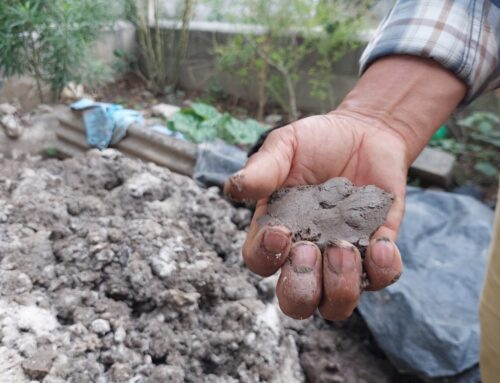
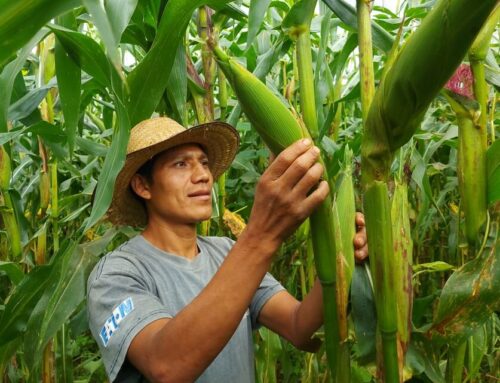
As awareness grows, so does interest from other families and neighboring communities, creating a ripple effect that supports the preservation of biodiversity and the strengthening of local knowledge systems. The Maravilla tomato is increasingly recognized not just as a crop, but as a symbol of recovery, continuity, and the enduring strength of Maya Achi communities. Families growing these tomatoes report that what they value most about this specific variety is that it does not require heavy chemical inputs. Instead, they rely on natural fertilizers, and the tomatoes are cultivated through traditional processes using composted soil and cow manure as organic fertilizer.
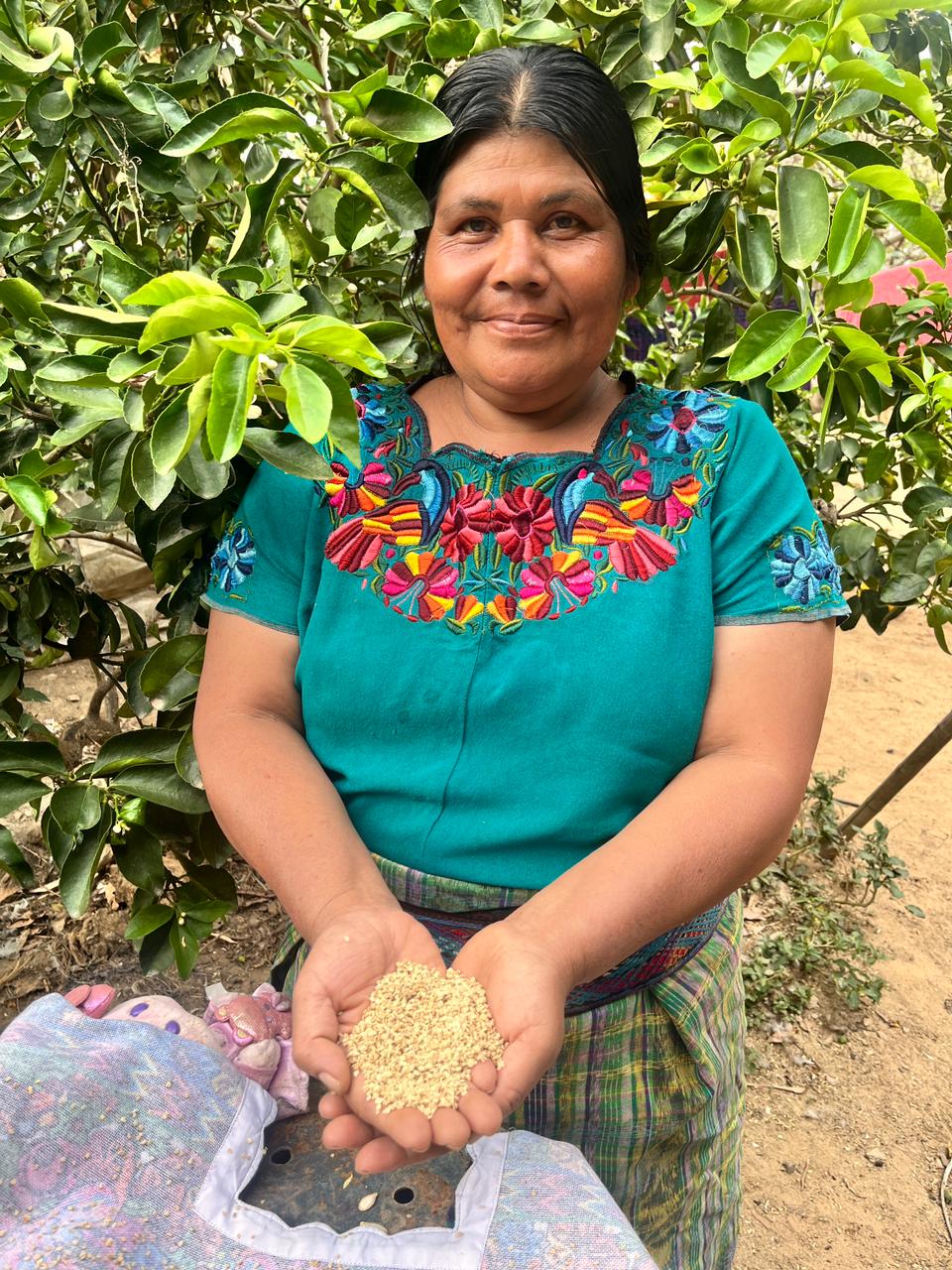
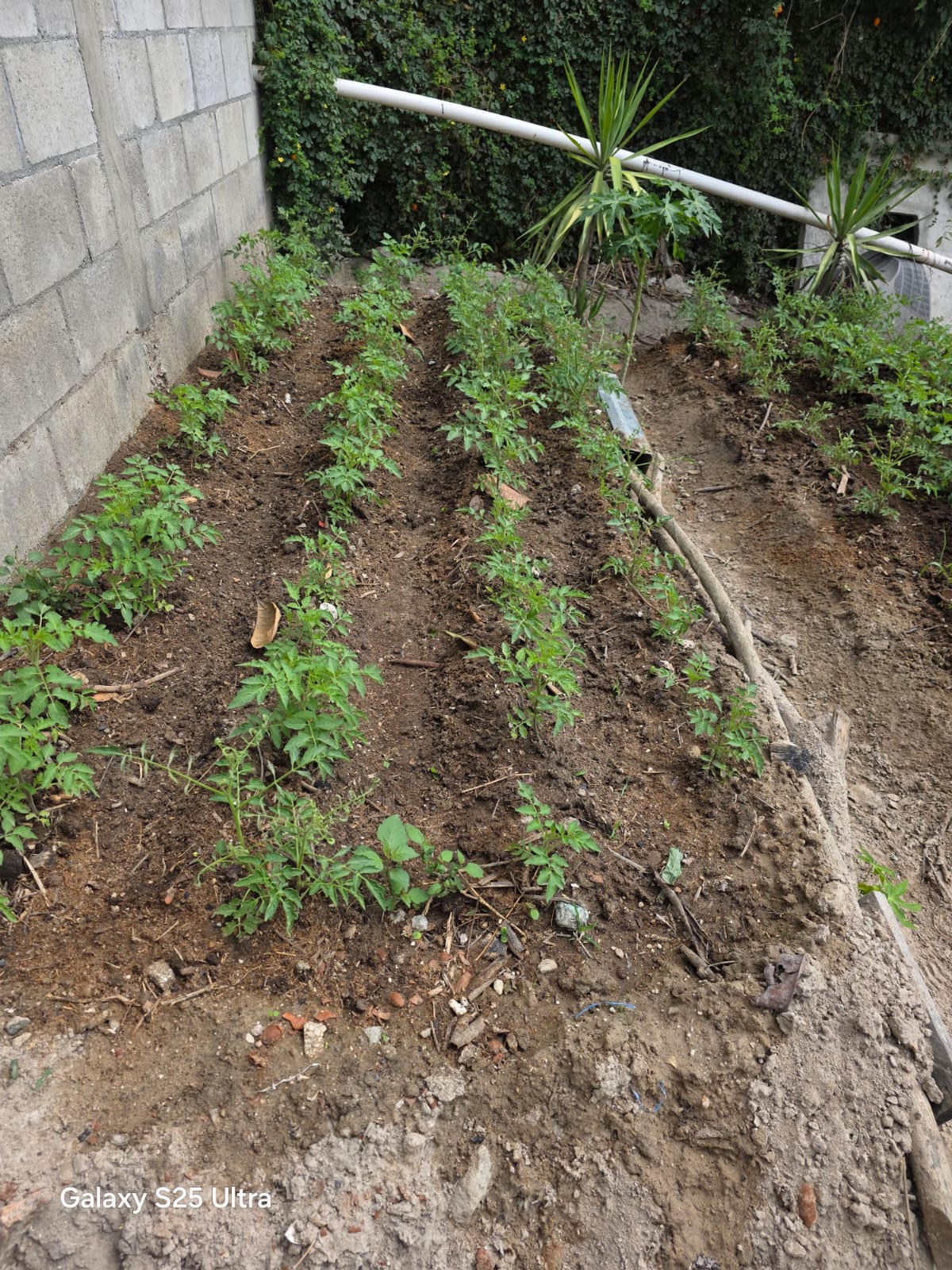
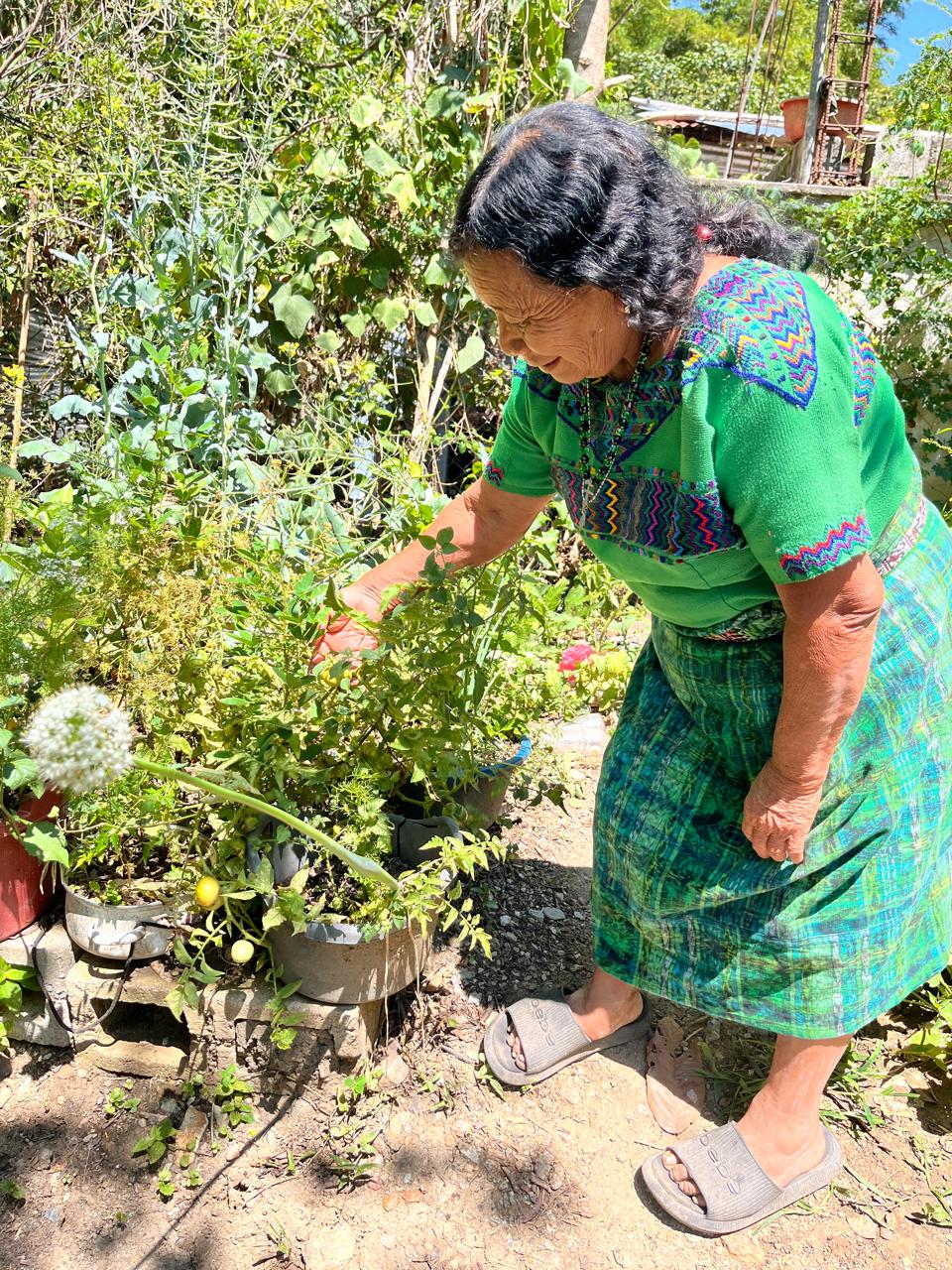
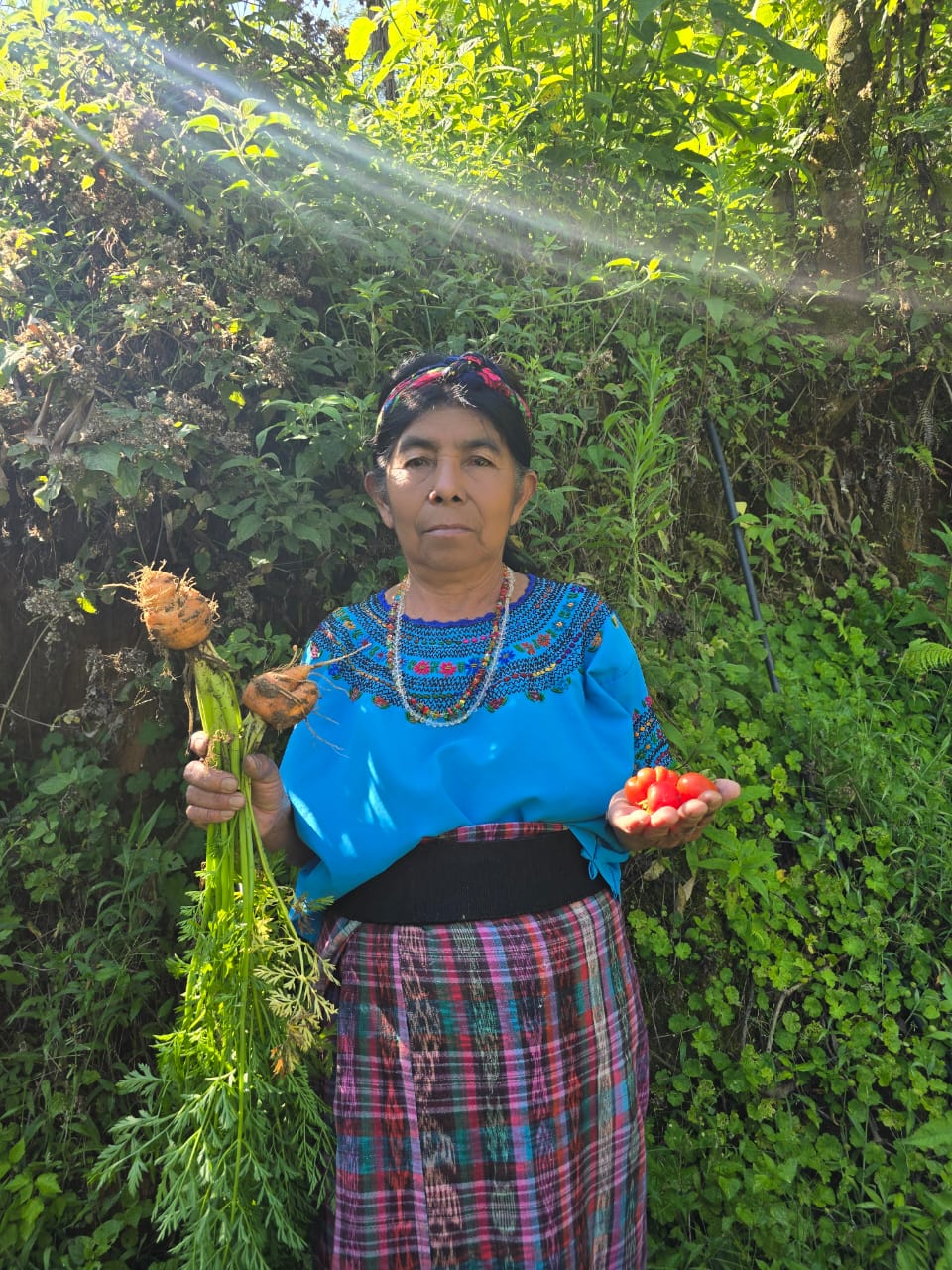
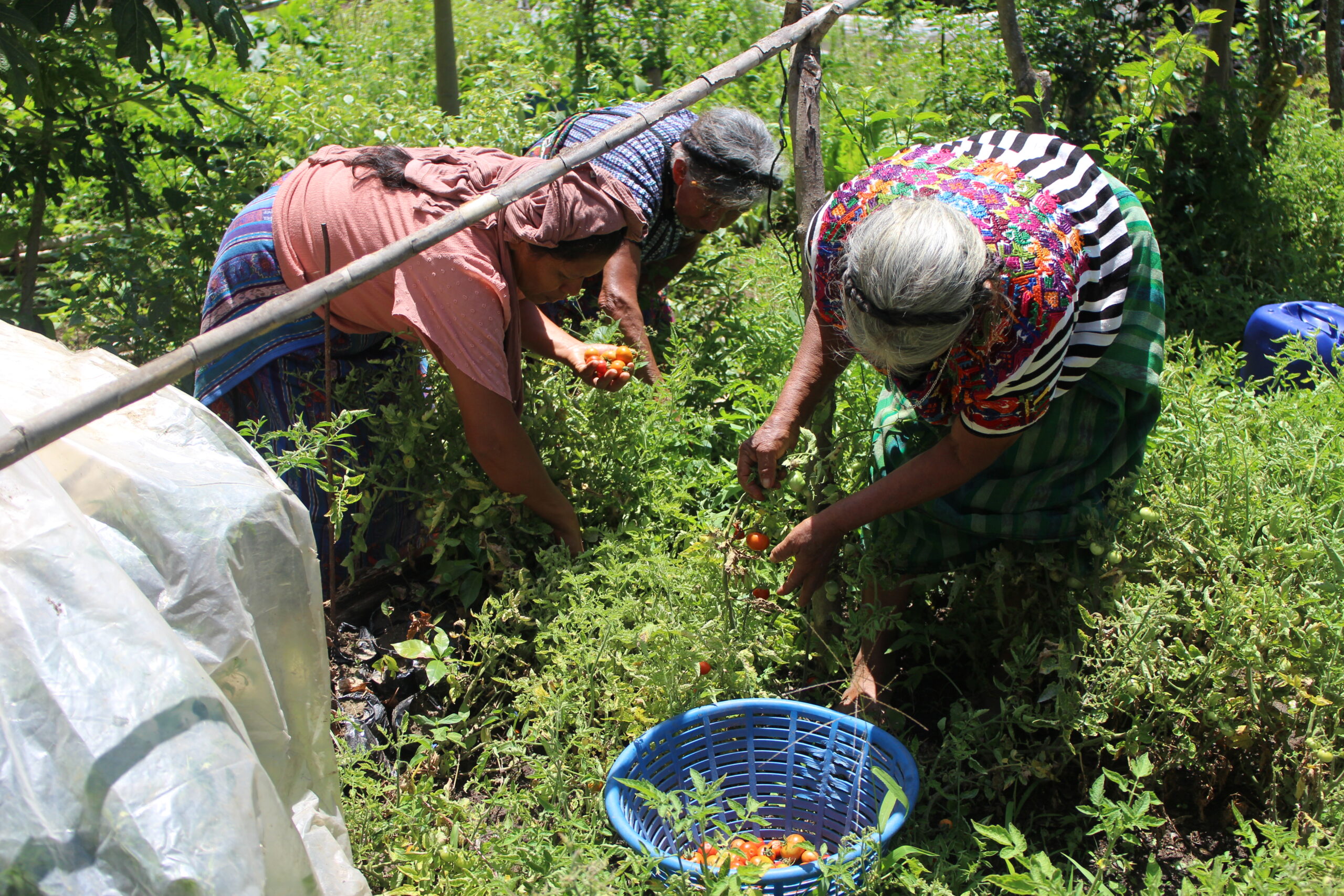
Since their childhood, they have carried the memory of these tomatoes that once disappeared. Today, they grow again in their gardens, as a gift from Mother Earth.
This is the heart of our work. Through seed saving and rematriation, we are helping restore not only crops, but relationships—with the Mother Earth, with water, and within communities. Each seed carries history, nourishment, and the possibility of a more balanced way of living. But this work cannot continue without support.
We invite you to be part of this regeneration. Your contribution helps families preserve ancestral seeds, protect water sources, and strengthen community resilience for generations to come. By supporting this work, you are not only investing in ecological practices. You are helping bring life back to what was once at risk of being lost.